Industrial 3D Scanner Explained: Applications, Accuracy, Price & How to Choose
Manufacturers today need faster, more accurate, and more efficient ways to inspect parts and improve production quality. An industrial 3D scanner helps companies capture precise surface data, measure dimensions, compare CAD models, and automate quality control. From automotive factories to aerospace workshops, industrial 3D scanning has become a key tool in modern manufacturing.
In this guide, we explain what an industrial 3D scanner is, how it works, common applications, accuracy levels, pricing, and how to choose the right solution.
What Is an Industrial 3D Scanner?
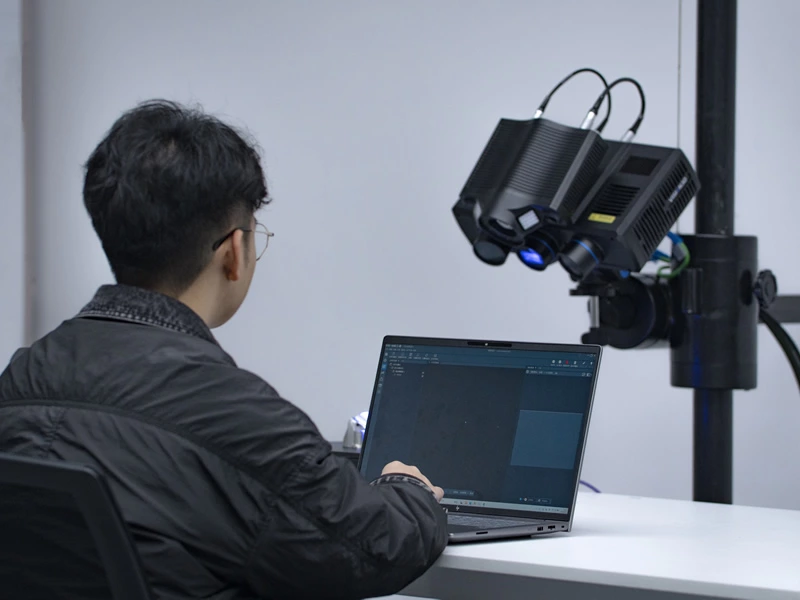
An industrial 3D scanner is a professional measurement device used to capture the shape, dimensions, and geometry of physical objects with high precision. Unlike consumer scanners, industrial systems are built for accuracy, repeatability, and factory environments.
They are widely used for:
- Dimensional inspection
- Reverse engineering
- Tooling validation
- Production quality control
- Surface defect analysis
How Does an Industrial 3D Scanner Work?
Most industrial systems use one of the following technologies:
1.Structured Light 3D Scanning
Projects light patterns onto the object and captures deformation with cameras to generate 3D data.
Best for:
- High accuracy inspection
- Fast scanning speed
- Complex surfaces
2.Laser 3D Scanning
Uses laser lines or points to measure object geometry.
Best for:
- Large objects
- Dark surfaces
- Flexible field use
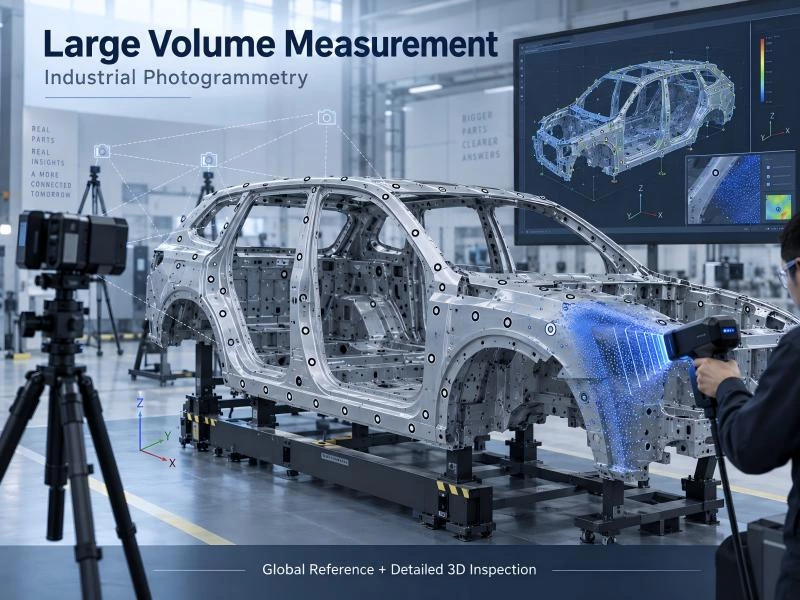
3.Photogrammetry
Uses multiple images for large-scale measurement.
Best for:
- Large parts
- Assembly positioning
- Shop floor alignment
Main Applications of Industrial 3D Scanners
1.Quality Inspection
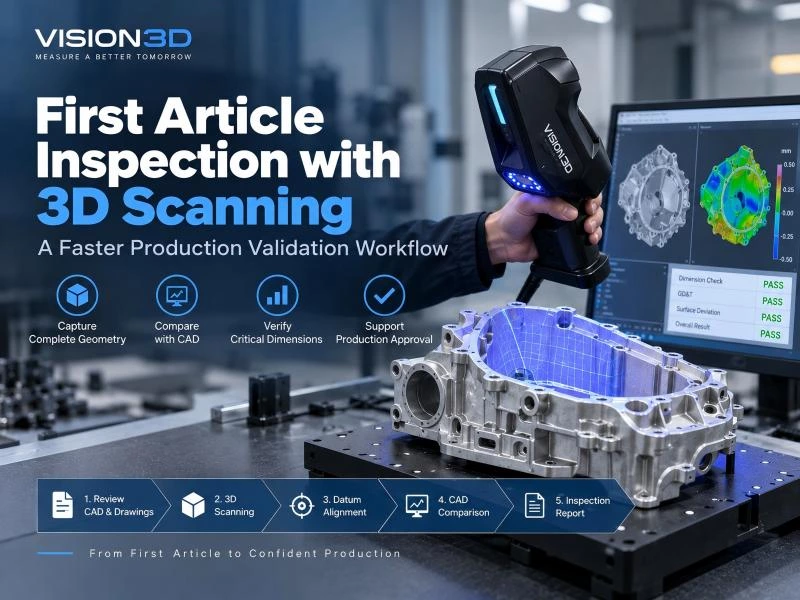
Measure parts against CAD files to detect deviation quickly.
2.Automotive Manufacturing
Used for:
- Body in white inspection
- Gap and flush measurement
- Stamping part inspection
3.Aerospace Components
Inspect blades, impellers, housings, and precision assemblies.
4.Reverse Engineering
Convert physical parts into editable 3D models.
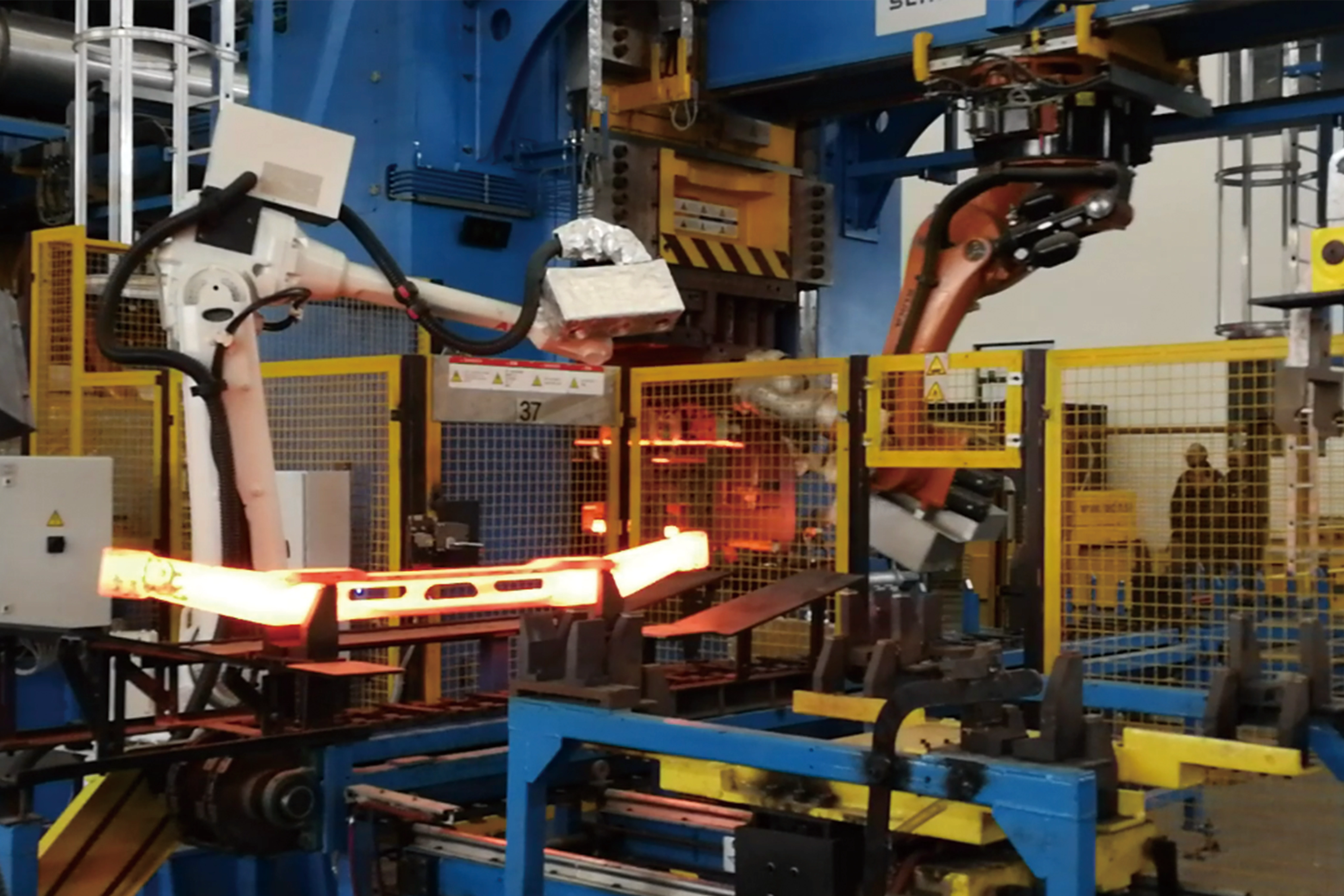
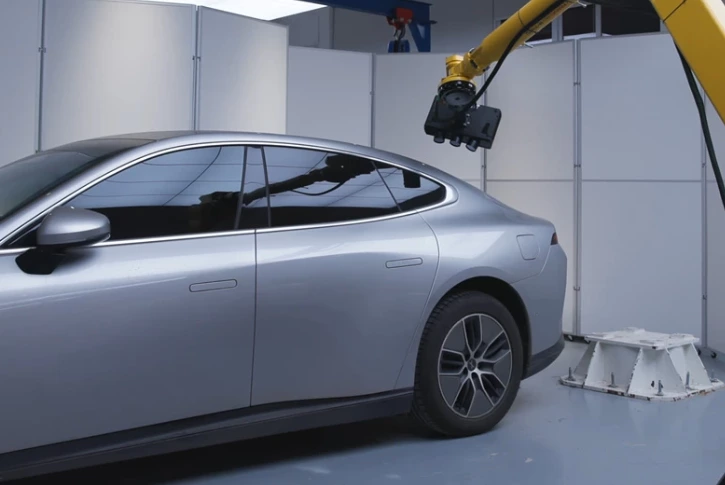
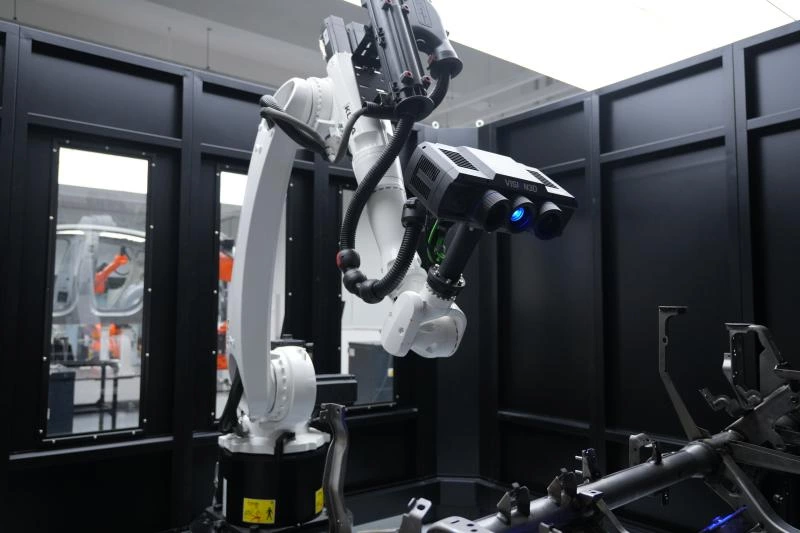
5.Automated Production Lines
Integrated with robots for inline inspection.
How Accurate Is an Industrial 3D Scanner?
Accuracy depends on scanner type, lens setup, calibration, and part size.
Typical ranges:
| Scanner Type | Accuracy |
|---|---|
| Entry Industrial | 0.05 mm |
| Mid-Level Metrology | 0.02 mm |
| High-End Precision | 0.01 mm or better |
For tight tolerance manufacturing, metrology-grade systems are recommended.
How Much Does an Industrial 3D Scanner Cost?
Industrial scanner prices vary depending on accuracy, automation level, and software.
| Type | Estimated Price |
|---|---|
| Portable Basic | $10,000–$25,000 |
| Professional Industrial | $25,000–$80,000 |
| Automated Inspection System | $80,000+ |
Total investment may also include:
- Software licenses
- Training
- Robot integration
- Maintenance
How to Choose the Best Industrial 3D Scanner
1.Required Accuracy
Choose based on your tolerance requirements.
2.Part Size
Small precision parts need different systems than large assemblies.
3.Production Speed
For high-volume production, automated scanning is ideal.
4.Material Surface
Reflective or dark surfaces may require special solutions.
5.Software Capability
Look for GD&T analysis, CAD comparison, SPC reporting, and automation tools.
Why Manufacturers Are Replacing Traditional Inspection Methods
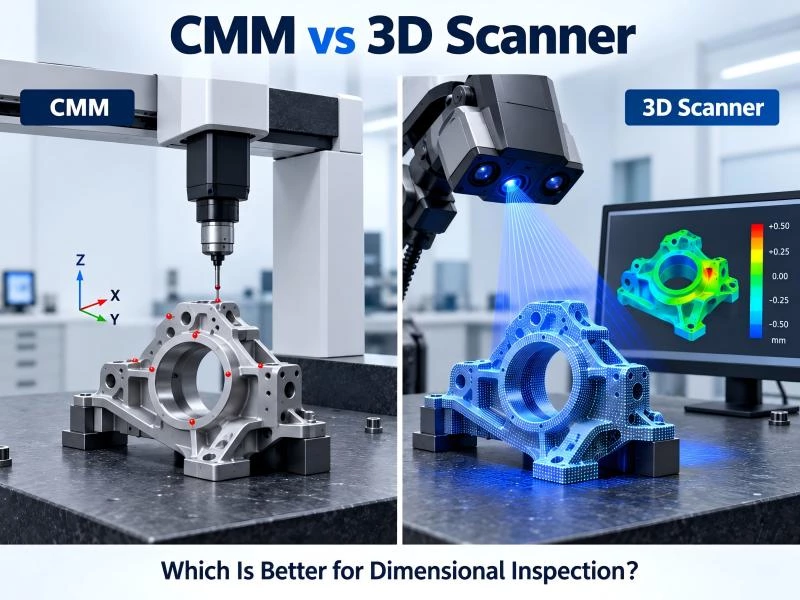
Compared with manual gauges or CMM systems, industrial 3D scanners offer:
- Faster measurement cycles
- Full-field data capture
- Easier automation
- Better traceability
- Lower labor dependence
Recommended Solutions for Manufacturing
For portable inspection and flexible measurement, handheld systems are ideal.
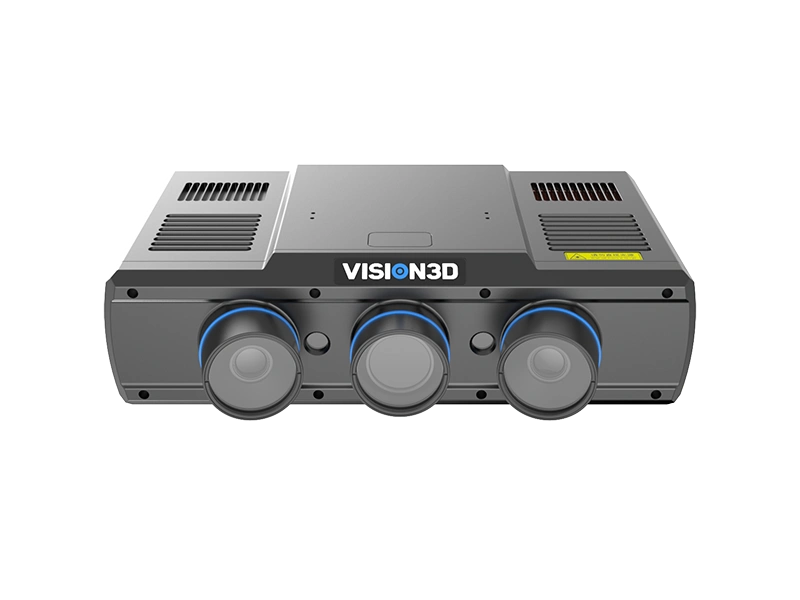
For batch inspection and automation, fixed scanning systems deliver higher throughput.
Recommended internal links:
FAQ
1.What is the difference between industrial and consumer 3D scanners?
Industrial scanners offer much higher accuracy, stability, and professional inspection software.
2.Are industrial 3D scanners better than CMM machines?
For many applications, scanners are faster and capture full surface data, while CMM remains strong for ultra-precise point measurement.
3.Can industrial 3D scanners inspect large parts?
Yes. Many systems support large molds, body panels, castings, and assemblies.
4.What industries use industrial 3D scanners?
Automotive, aerospace, medical, tooling, electronics, and heavy equipment manufacturing.
5.How long does scanning take?
Many parts can be scanned in seconds to minutes depending on size and complexity.
Final Thoughts
An industrial 3D scanner is no longer just a measurement tool—it is a productivity tool for modern manufacturing. Whether you need faster inspection, tighter quality control, or automated production measurement, the right 3D scanning solution can significantly improve efficiency and reduce scrap.